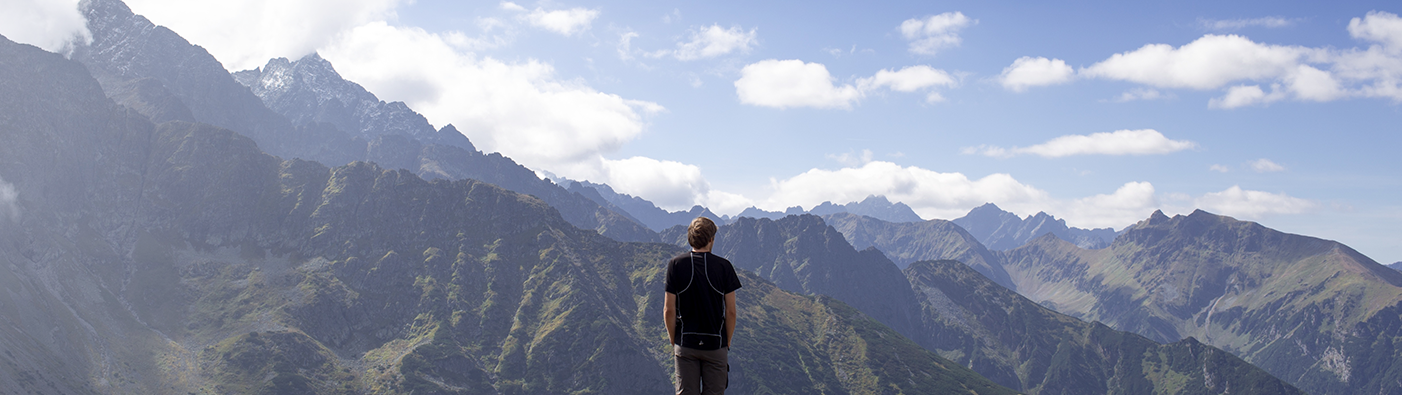
In photography there are three rules of thirds (perhaps more) that photographers frequently use to create a more visually pleasing image to view. Our eyes tend to find solace in images that are asymetrically balanced by off-setting from center colors, subjects, or focal points. Our eyes like to take breaks from studying the subject of the…
Category: Topics
Framing
The Rule of Thirds has a framing element to it, but there are other ways of additionally framing your subject using depth of field, color, structures, motion, and so on. Framing can often times also add elements to the story you’re trying to tell through your photography, and gives the viewer something more to think…
Proximity & DOF
The proximity of the photographer to the subject, and the subject to the background have the most impact in the photograph’s depth of field. For Sports, Portrait, and Close-Up photography, a primary desire is to achieve an uncluttered background that helps to make the subject jump out. Depth of Field is the area both in…
Theme Your Event
You can take event the most routine of events and creatively capture them by incorporating a theme to your photography. In the series below, an ordinary parade was given a different perspective by only photographing wheels. This gives your audience something different to think about, and challenges you to be inventive and creative with your photography.
Depth of Field
Understanding Depth of Field (DOF) is one of the principal concepts for photographers to master in order to expand their capability, and creativity. The following videos present the overall concept and technical explanations of DOF in a concise manner. DEPTH OF FIELD OVERVIEW [youtube http://www.youtube.com/watch?v=l3zdybilbCY]
Wait for the Interesting
*Focus on your subject and wait until it does something Interesting* is some or the best wildlife photo advice I’ve received. An apple might not do anything interesting, but for light, people, animals, action, birds, etc. this can often make a good photo GREAT. Consider the series of three photos below. This first one is…
RAW vs. JPEG
Your camera likely will capture images in two main formats, RAW (uncompressed), or JPEG compression, though some compact digital cameras only shoot in JPEG. There are benefits to either. Your choice will depend on how serious you take your photography, your intended purpose for using photos, and/or hard disk space considerations.
Sports Photography
Think of Sports Photography, (or other action/events) as “One-Time-Only” events. The Harlem Globetrotters might come to your town once in a lifetime, but individual sports events might also offer those same once-in-a-lifetime opportunities to shoot. One never know when a school record might be broken, or the teams star athlete goes down with an injury. Game…
Stopping the Action
Action photos usually require the action to be frozen in time to the greatest extent possible. Slightly blurred hands and feet are often tolerated, but blurred faces, arms and legs usually don’t do much for a great photo. The biggest challenge facing action-stopping moments is available light (which is often not enough). Learning your camera capabilities,…
Light Metering
Lighting often changes, and there are many circumstances in which a change in light metering will help to gain a better quality photo.Most cameras feature three light metering options. Each option works by assigning a weighting to different light regions; areas of the image that are weighted higher contribute more to the final exposure calculation.


